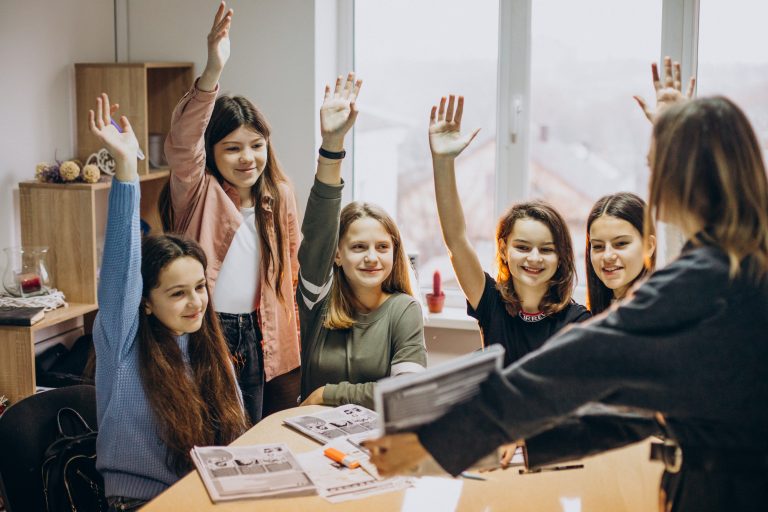
If you’re considering Spanish School in Puebla, one of the first questions you may have is: What does a typical week actually look like?
Many prospective students imagine spending long hours memorizing vocabulary in a classroom. However, the reality of studying at one of the leading Spanish schools in Puebla Mexico, is much more exciting. A quality immersion program combines structured lessons, cultural experiences, conversation practice, and daily interactions with native speakers.
At the Spanish Institute of Puebla (SIPuebla), students don’t simply study Spanish—they live it. The school’s immersion model is designed to help students use Spanish naturally throughout the day while experiencing authentic Mexican culture. The program includes intensive instruction, conversation practice, homestays, cultural activities, and excursions that make learning both effective and enjoyable.
In this guide, we’ll walk through a typical week at a Spanish school in Puebla so you know exactly what to expect before starting your language-learning journey.
Why Puebla Is One of the Best Places to Learn Spanish
Before discussing the weekly schedule, it’s important to understand why Puebla has become a preferred destination for international students seeking Spanish immersion programs in Mexico.
Puebla is a UNESCO World Heritage city known for its colonial architecture, rich cultural traditions, beautiful churches, museums, and famous cuisine. It offers a more authentic Mexican experience than heavily touristed destinations while still providing modern amenities and a welcoming environment for international students.
Because the city is deeply connected to Mexican culture and daily life, students are surrounded by opportunities to practice Spanish from the moment they leave the classroom.
This combination of structured education and real-world exposure is what makes language immersion Mexico programs so effective.
Monday: Orientation and Your First Steps Into Spanish
Most students begin their week on Monday morning.
The first day typically starts with orientation, where students learn about:
- The school’s teaching methodology
- Puebla’s culture and customs
- Transportation and local safety tips
- Academic expectations
- Homestay guidelines
SIPuebla also conducts placement assessments to determine each student’s proficiency level. Since the school offers multiple levels of instruction, students are placed in classes that match their current abilities. The program follows internationally recognized language-learning frameworks and includes multiple levels of study.
Many students are surprised by how quickly they begin speaking Spanish. Even beginners are encouraged to communicate from the first day rather than relying solely on grammar exercises.
Tuesday Through Friday: Intensive Spanish Classes
The core of any successful Spanish language course is consistent instruction.
At SIPuebla, students participate in approximately 30 hours of instruction per week, typically around six hours per day. This intensive schedule is designed to accelerate learning and help students develop fluency faster than traditional classroom environments.
A typical morning may include:
Grammar and Language Structure
Students learn:
- Verb conjugations
- Sentence construction
- Reading comprehension
- Writing skills
- Listening exercises
The goal is not simply to memorize rules but to understand how Spanish functions in real communication.
Conversation Practice
Conversation sessions are a major component of Spanish immersion classes in Mexico.
Students engage in:
- Guided discussions
- Role-playing scenarios
- Partner exercises
- Group conversations
- Pronunciation practice
Because the teaching approach emphasizes communication, students spend significant time actively speaking rather than passively listening.
Real-World Language Application
Instead of focusing only on textbooks, instructors often incorporate practical situations such as:
- Ordering food
- Asking for directions
- Shopping at markets
- Making travel arrangements
- Discussing current events
These exercises help students gain confidence using Spanish outside the classroom.
Lunch Break: Learning Continues
One of the biggest differences between online learning and Spanish language immersion programs is that learning doesn’t stop during breaks.
Many students eat lunch with classmates, conversation partners, or host families.
Even casual conversations during meals become valuable opportunities to:
- Practice vocabulary
- Improve listening skills
- Learn local expressions
- Build confidence
The more students engage with Spanish throughout the day, the faster their progress tends to be.
Afternoon Activities: Bringing Spanish to Life
After formal classes, students often participate in cultural and conversational activities.
This is where the immersion experience truly begins.
SIPuebla’s program includes opportunities to explore Puebla while practicing Spanish in authentic situations. Cultural excursions and activities are considered an essential part of the learning process.
Activities may include:
Walking Tours
Students explore Puebla’s historic streets while learning about:
- Local history
- Architecture
- Cultural traditions
- Daily life in Mexico
Museum Visits
Museums provide excellent opportunities to expand vocabulary while learning about Mexican art and history.

Local Markets
Markets are one of the best places to practice practical Spanish.
Students learn to:
- Ask questions
- Compare prices
- Understand local accents
- Communicate naturally with vendors
Cultural Events
Depending on the season, students may attend:
- Festivals
- Concerts
- Art exhibits
- Community celebrations
These experiences expose learners to authentic language and cultural contexts that cannot be replicated online.
Living With a Host Family
For many students, the homestay experience becomes the most memorable part of the program.
SIPuebla carefully selects host families to provide students with a comfortable and supportive environment. Meals are often shared with the family, creating daily opportunities for conversation and cultural exchange.
A typical evening might include:
- Discussing the day’s activities
- Learning local customs
- Sharing meals
- Practicing conversational Spanish
- Watching Spanish-language television
These interactions provide constant exposure to natural speech patterns and vocabulary.
Many students report that their biggest language breakthroughs happen around the family dinner table rather than inside the classroom.
Weekend Excursions and Cultural Exploration
The learning experience doesn’t end on Friday.
Many Spanish immersion programs in Mexico include excursions that help students connect language learning with cultural understanding.
Popular destinations around Puebla include:
Cholula
Known for its massive pyramid and beautiful churches, Cholula offers students opportunities to practice Spanish while exploring one of Mexico’s most fascinating historical sites.
Teotihuacan
Some programs include trips to the ancient pyramids of Teotihuacan, allowing students to learn about Mexican history while interacting with guides and fellow learners.
Historic Puebla
Students often spend weekends exploring:
- Museums
- Cafés
- Markets
- Historic churches
- Local neighborhoods
Every interaction becomes another chance to improve language skills.
How Much Spanish Can You Learn in One Week?
A common question among prospective students is whether one week is enough time to see progress.
While fluency requires ongoing effort, many students notice significant improvements in:
- Listening comprehension
- Speaking confidence
- Pronunciation
- Vocabulary retention
The immersive environment forces students to use Spanish continuously, accelerating language acquisition compared to studying from home.
Students often leave their first week feeling more comfortable speaking Spanish than they expected.
Who Benefits Most From This Type of Program?
A typical week at a Spanish school in Puebla can benefit:
Beginners
Students with little or no Spanish experience gain foundational communication skills in a supportive environment.
Intermediate Learners
Intermediate students often experience rapid improvements because they finally begin using Spanish in real situations.
Professionals
Doctors, teachers, business owners, clergy members, and other professionals frequently enroll to improve their ability to communicate with Spanish-speaking clients and communities.
Retirees and Travelers
Many participants join simply because they want to travel more confidently throughout Latin America.
Why Immersion Works Better Than Traditional Learning
The biggest advantage of Spanish language immersion programs is constant exposure.
Unlike online courses that limit practice to scheduled sessions, immersion surrounds students with Spanish throughout the day.
They hear it:
- In class
- At home
- In restaurants
- On the streets
- During excursions
- While socializing
This continuous interaction helps students start thinking in Spanish rather than translating from their native language. The communicative approach used by immersion schools is specifically designed to encourage this transition.
Final Thoughts
A typical week at a Spanish school in Puebla is much more than language instruction. It is a complete cultural and educational experience that combines intensive academics, authentic conversations, local exploration, and daily immersion.
Whether your goal is to learn to speak Spanish in Mexico, prepare for international travel, improve professional communication, or simply experience a new culture, the combination of classroom instruction and real-world practice creates an environment where meaningful progress happens quickly.
For students seeking the best Spanish immersion programs, Puebla offers the perfect balance of academic excellence, cultural richness, and authentic language practice. By the end of your first week, you’ll likely discover that you’re not just studying Spanish—you’re living it.